
Papafa Casino Online
Papafa Casino is a topic that helps readers understand how online casino gaming works through rules, probability, and risk management. Baccarat, blackjack, roulette, slots, and live casino games all differ in payout structure, pace, and the degree of skill involved. Concepts such as RTP, house edge, volatility, variance, and expected value help explain why short-term results can differ significantly from long-term mathematical expectations. However, no strategy can guarantee absolute success, so bankroll management, stake sizing, and time control remain important foundations.
Exploring Games in Papafa Casino
Online casinos include multiple game categories with different rules and payout structures. When exploring Papafa Casino, players should clearly distinguish card games, roulette, RNG-based slots, and live dealer tables. Understanding how each format works makes it easier to evaluate house edge, betting speed, and risk more objectively instead of focusing only on potential rewards.
Baccarat, Blackjack, and Roulette
Baccarat usually revolves around three main options: Player, Banker, and Tie. The third-card rule determines when either side receives an additional card, while a commission may apply to certain betting options.
Blackjack requires more decisions, including hit, stand, double, and split. Roulette focuses on options such as red or black, odd or even, number groups, or individual numbers.
In Papafa Casino, players should review payouts, table limits, and house edge before participating. Each game has a different probability structure, so using one strategy for every format is usually not appropriate.
Online Slots and RNG Mechanics
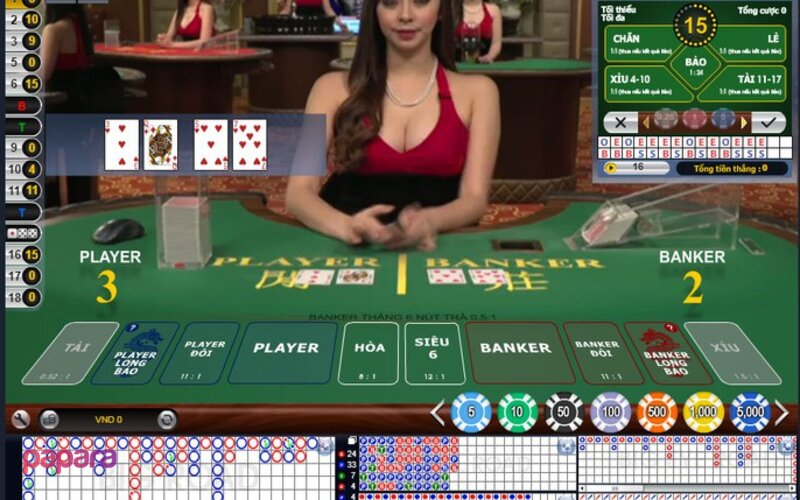
Online slots operate through reels, symbols, and paylines. A Random Number Generator, or RNG, is responsible for producing the outcome of each spin according to programmed mechanics.
The paytable explains symbol values, payout conditions, and special features such as Wilds, Scatters, or free spins. RTP helps players understand the theoretical return percentage over the long term.
When researching Papafa Casino, it is important to remember that each spin is generally independent of the previous one. A losing streak does not increase the probability of winning on the next spin, so emotionally increasing stakes can reduce a bankroll very quickly.
Live Casino and Real Dealers
Live casino games use video streaming to broadcast real tables operated by dealers. Participants can watch cards being dealt or roulette wheels spinning in real time.
Live baccarat, live blackjack, and live roulette usually have their own betting windows, minimum bets, and maximum bets. The speed of each table can also vary depending on operating procedures.
In Papafa Casino, checking table limits helps players choose games that match their budgets. Time pressure in live dealer games can lead to rushed decisions, so players should not wager simply because the betting window is about to close.
Analyzing Probability in Papafa Casino
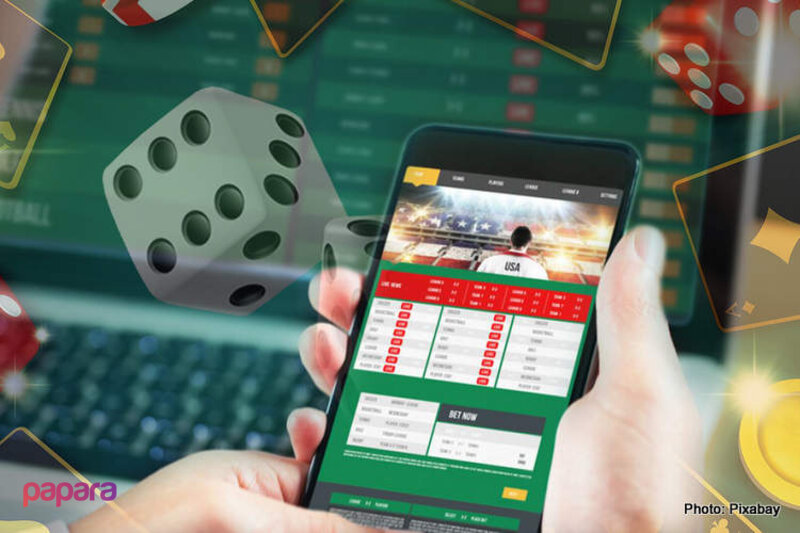
Probability and mathematical advantage are fundamental to understanding online casino games. In Papafa Casino, RTP, house edge, and expected value help explain why a seemingly reasonable choice can still lose in the short term. These indicators describe long-term characteristics rather than predicting the result of an individual round.
RTP, House Edge, and Volatility
RTP, or Return to Player, represents the theoretical percentage returned over a very large number of wagers. For example, a game with 96% RTP does not mean a player wagering 100 units will automatically receive exactly 96 units back.
House edge reflects the mathematical advantage built into the game for the operator. Volatility describes how widely payouts fluctuate, while hit frequency indicates how often winning outcomes occur.
When evaluating Papafa Casino, RTP should be considered together with variance and volatility. These indicators help describe risk but cannot guarantee the outcome of a specific session.
Basic Strategy and Expected Value
In blackjack, basic strategy helps players decide whether to hit, stand, double, or split based on the current hand and the dealer’s visible card. Soft hands and hard hands should be handled differently according to table rules.
Expected value, or EV, helps assess the average value of a decision if the same situation were repeated many times. In poker, pot odds and equity support decisions such as call, fold, or raise.
When exploring Papafa Casino, these concepts should be treated as analytical tools rather than guaranteed winning formulas because variance can still produce opposite short-term results.
Martingale and the Risks of Increasing Stakes

Martingale is a betting system that increases the wager after each loss in the hope that a later win will recover previous losses. Fibonacci and many progressive betting systems also adjust stake sizes according to a sequence of results.
The problem is that a bankroll can decline very quickly if a losing streak continues. Players may also reach the table limit before recovering what they have lost.
In Papafa Casino, increasing the stake does not change the house edge or the probability of an independent round. Using Martingale to recover losses can quickly turn into chasing losses and create significant financial pressure.
Managing Risk in Papafa Casino
Online casino games can move at a fast pace, causing total wagering amounts to rise quickly within a short period. With Papafa Casino, bankroll management, stake sizing, and emotional control should be prioritized alongside understanding the rules. A clear plan for both budget and time helps reduce impulsive decisions.
Building a Bankroll and Allocating Stakes
A bankroll is a separate entertainment budget and should remain distinct from living expenses, bills, and essential financial obligations.
Players can divide their bankroll into betting units to control stake sizes across individual sessions. Using a large portion of available funds on one round or repeatedly increasing wagers after losses significantly raises risk.
In Papafa Casino, profit and loss tracking helps players evaluate spending more objectively. A stop-loss also provides a clear exit point and can prevent players from adding more money simply to recover previous losses.
Controlling Time and Emotions
Winning streaks can create overconfidence, while losing streaks may lead to tilt, revenge betting, or chasing losses. These emotional states often cause stake sizes to increase and decision quality to decline.
Decision fatigue can also appear when sessions continue for too long, especially in fast-paced slots or live casino games.
When participating in Papafa Casino, players should set session limits and take regular breaks. If stake sizes begin to change only because of emotion or the desire to recover losses, ending the session is usually the more sensible choice.
Practicing Responsible Casino Gaming
Online casino gaming is an entertainment activity involving financial risk, not a reliable source of income. Participants should meet legal age requirements and comply with regulations applicable in their jurisdiction.
Players should not borrow money to gamble, use funds intended for essential needs, or continue when casino gaming negatively affects work or personal life.
If a platform provides deposit limits, time limits, or self-exclusion tools, users may consider using them to support better behavioral control.
A responsible approach to Papafa Casino should prioritize financial limits, realistic expectations, and the ability to stop voluntarily when necessary at papafa.
Conclusion: A Balanced Papafa Casino Approach
Papafa Casino can be understood more comprehensively through baccarat, blackjack, roulette, slots, and live casino games together with concepts such as RTP, house edge, volatility, and expected value. Basic strategy and probability analysis can improve decision quality but cannot eliminate variance. Bankroll management, stake control, and time limits remain important principles for maintaining a more balanced approach to online casino gaming.